Losing someone you care about is difficult enough without suddenly having to manage court filings, debts, property, and other responsibilities associated with settling their estate. If you have been named a personal representative or are helping your family determine what happens next, the probate process can quickly feel overwhelming.
A Vero Beach probate lawyer can help you understand your responsibilities and guide you through the legal and practical steps of administering an estate. Depending on the circumstances, probate may involve filing a will, identifying and protecting assets, notifying creditors and beneficiaries, paying valid debts, and ultimately distributing property to the appropriate heirs or beneficiaries.
At Lulich & Attorneys, we understand that probate often comes at a difficult time for families. Our attorneys help clients in Vero Beach and throughout Indian River County navigate estate administration with clear guidance and personal attention. We can explain what the estate requires, help you fulfill your duties, and work with you to move the probate process forward while honoring your loved one’s wishes.
Contact Lulich & Attorneys to speak with a Vero Beach probate attorney about the estate and the responsibilities ahead.
Need a Lawyer?
Contact us to learn more. We can gladly answer your questions and explain the benefits of working with our team.
Schedule A ConsultationA Vero Beach Probate Attorney Can Help You Fulfill Your Duties
Serving as a personal representative can involve significant legal and financial responsibilities. Managing those duties may be especially difficult while you are grieving a loved one and helping your family adjust to the loss.
A probate attorney can guide you through the requirements of estate administration and help you understand what needs to happen at each stage. At Lulich & Attorneys, we can assist with preparing and filing probate documents, locating and filing the will, identifying required notices, communicating with creditors and beneficiaries, and addressing other matters that arise while the estate is being administered.
Our role is not simply to handle paperwork. We help personal representatives understand their responsibilities, meet important deadlines, and address legal issues that could delay the probate proceedings or create problems for the estate. Having experienced guidance can give you more time to focus on your family while knowing the administration of your loved one’s estate is moving forward.
What Is Probate?
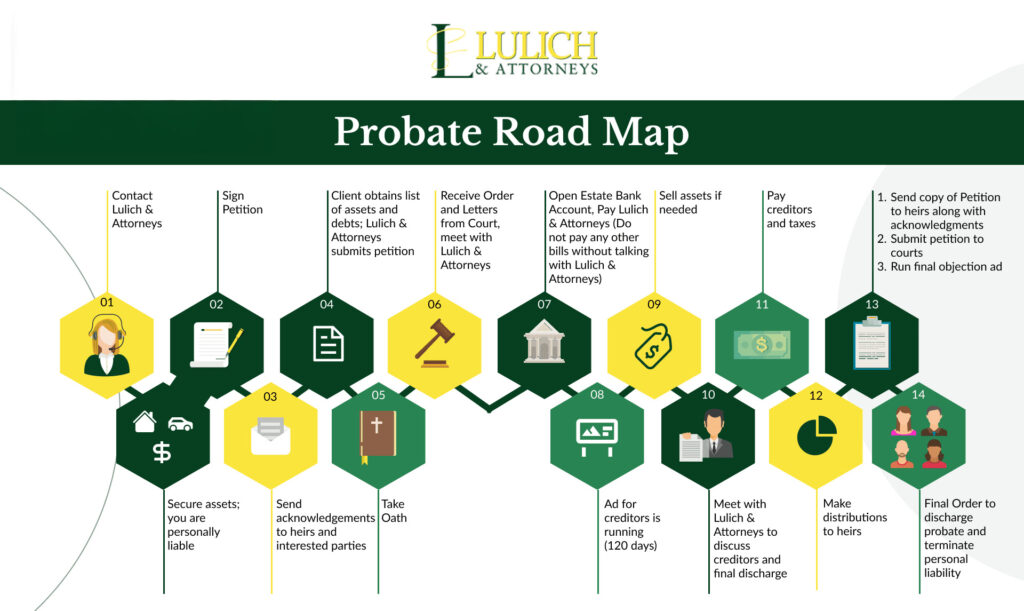
Probate is the court-supervised process for administering certain assets and obligations after someone dies. The process includes identifying and gathering probate assets, addressing valid debts and creditor claims, paying applicable expenses and taxes, and distributing the remaining property to beneficiaries or heirs.
A will provides important instructions for settling an estate, but probate involves more than reading or filing the will. During the probate process, the court recognizes the will, appoints a personal representative, oversees matters that require court involvement, and authorizes the closing of the estate.
When someone dies without a valid will, the estate may still go through probate. Instead of distributing probate assets according to a will, the personal representative administers the estate according to Florida's intestate succession laws.

Is Probate Necessary if the Decedent Had a Will?
Having a will does not automatically prevent an estate from going through probate. Depending on the assets the decedent owned and how those assets were titled, some or all of the estate may still require probate administration.
The will generally provides instructions for property that passes through the estate and may nominate a personal representative. The court can then determine whether the will is valid for probate and formally appoint the personal representative.
Some property can transfer outside probate, including certain jointly owned assets, accounts with valid beneficiary designations, and assets held in a trust. Whether probate is required therefore depends on the circumstances of the estate, not simply on whether a will exists.
If you are unsure which process applies, a probate attorney can help determine whether probate is necessary and explain the next steps.
How Does Probate Work in Vero Beach?
Probate in Florida is a court-supervised process for administering a deceased person's estate. For Vero Beach and Indian River County estates, probate matters are handled through the circuit court. The exact steps depend on the estate, but the process generally involves appointing a personal representative, identifying probate assets, addressing creditor claims and other obligations, and distributing the remaining property to the appropriate beneficiaries or heirs.
A Vero Beach probate attorney can help the personal representative understand the court requirements and complete each stage of the probate administration.
The Court Oversees the Probate Process

The court has an important role in the administration of a probate estate. Depending on the circumstances, the court may determine whether a will is valid for probate, appoint the personal representative, address disputes or other matters requiring judicial action, and authorize steps necessary to complete the administration.
Not every decision requires a court hearing, however. Much of the day-to-day work involved in settling an estate is handled by the personal representative with guidance from a probate lawyer.
A Personal Representative Administers the Estate
The personal representative is responsible for administering the probate estate. If the decedent left a valid will, the will may nominate the person they wanted to serve in this role. The court must formally appoint the personal representative before that person has authority to act on behalf of the estate.
When someone dies without a valid will, known as dying intestate, the court appoints a qualified personal representative according to Florida law. A person who dies with a valid will is considered testate.
Florida law establishes requirements and preferences for who may serve as a personal representative. Depending on the circumstances, the person appointed may be a surviving spouse, another family member, or another qualified individual or institution.
What Does a Personal Representative Do?
A personal representative has significant responsibilities throughout the probate administration. Depending on the estate, those duties may include:

- Locating the decedent's will and ensuring it is properly filed
- Identifying, gathering, valuing, and protecting probate assets
- Identifying heirs and beneficiaries
- Providing required notices
- Notifying creditors and addressing valid creditor claims
- Defending the estate against improper claims when necessary
- Paying appropriate estate expenses and debts
- Addressing applicable tax matters
- Maintaining and accounting for estate assets
- Distributing remaining assets to beneficiaries or heirs
- Completing the steps necessary to close the estate
A personal representative acts in a position of trust and must fulfill these responsibilities carefully. A probate lawyer can help the personal representative understand and fulfill these duties while complying with the requirements that apply to the estate.
What Happens if There Is No Valid Will?
A person who dies without a valid will is considered to have died intestate. Probate may still proceed, but instead of using a will to determine who receives probate property, Florida's intestate succession laws determine the heirs entitled to inherit.
Who inherits depends on the decedent's surviving family relationships. A surviving spouse and descendants are often central to that determination, but the distribution can vary considerably depending on who survives the decedent and the relationships involved.
Dying without a will does not mean the state automatically takes the estate. Florida law provides an order of inheritance for surviving relatives. Property passes to the state only in the unusual situation where no legally entitled heir can be identified.
Which Assets May Avoid Probate in Florida?
Not every asset a person owns becomes part of the probate estate. Some property can transfer directly to another person because of a beneficiary designation, the way the property is titled, or an ownership arrangement created during the decedent's lifetime.
Determining which assets require probate administration is an important early step in settling an estate. A personal representative may need to distinguish probate assets from property that can transfer outside the court-supervised process.
Accounts and Assets With Named Beneficiaries

Certain assets may pass directly to a named beneficiary rather than through probate. These commonly include life insurance policies, retirement accounts, annuities, and financial accounts with valid payable-on-death or transfer-on-death designations.
For example, a payable-on-death designation on a checking, savings, or other eligible financial account can direct the institution to transfer the funds to the named beneficiary after the account owner's death. Whether a particular asset avoids probate depends on the ownership and beneficiary information in effect when the person dies.
Jointly Owned Property With Survivorship Rights
Some jointly owned property can also pass outside probate. When an asset is properly titled with a right of survivorship, the surviving owner may receive the deceased owner's interest without that property becoming part of the probate estate.
This can apply to certain real estate and financial accounts. Florida also recognizes tenancy by the entirety for qualifying property owned by married couples. Because an asset's title determines how ownership transfers, reviewing the ownership records helps establish whether the property is subject to probate.
Assets Held in a Living Trust
Assets properly transferred to a revocable living trust generally do not become probate assets simply because the person who created the trust dies. Instead, the successor trustee administers the trust property according to the terms of the trust.
That process is distinct from probate. Probate administration concerns assets and obligations handled through the decedent's probate estate, while trust administration involves managing and distributing property held in an existing trust after the trust creator's death.
An estate can include both probate and non-probate property. Lulich & Attorneys can help families identify which assets may require probate, which may transfer outside probate, and what legal steps are necessary to administer the estate properly.
Some of these distinctions are established before death through beneficiary designations, trusts, and other planning decisions. Estate planning focuses on making those decisions in advance, while probate focuses on administering certain assets and obligations after a person dies.
Get Guidance Through the Probate Process
You do not have to manage estate administration alone. Talk to a Vero Beach probate lawyer about your responsibilities and the next steps.
Discuss Your Probate MatterWhat Are the Costs of Probate in Florida?
The cost of probate varies depending on the estate and the type of administration required. Probate expenses may include attorney fees, court filing fees, costs associated with administering the estate, and compensation for the personal representative.

Additional expenses can arise when an estate requires property appraisals, professional services, assistance locating assets or beneficiaries, tax preparation, or other work necessary to complete the probate administration. Many properly incurred probate expenses can be paid from estate assets rather than from the personal representative's own funds.
The personal representative must carefully manage estate finances throughout the process. This commonly includes maintaining an estate account, keeping estate funds separate from personal finances, documenting transactions, and paying valid expenses in the proper manner. Because a personal representative has fiduciary responsibilities to the estate and its beneficiaries, mistakes in managing estate property or funds can create additional complications and, in some circumstances, personal liability.
For select clients, Lulich & Attorneys offers probate services that allow the administration to begin without upfront legal fees. Attorney fees and certain court costs may instead be paid from the estate as it is administered. Our attorneys can explain the available payment arrangement and anticipated probate costs based on the circumstances of the estate.
How Long Does Probate Take in Vero Beach?
The length of the probate process depends on the type of administration and the circumstances of the estate. A Florida formal administration may take approximately nine to twelve months in a relatively straightforward case, while some estates require more time.

Several factors can affect the probate timeline. The personal representative identifies and values assets, addresses creditor claims, resolves tax matters, sells property when necessary, and responds to disputes before closing the estate. Florida probate also includes a creditor-claim period that must pass before the administration is complete.
Not every estate follows the same probate procedure. Some estates may qualify for summary administration, which can provide a more streamlined alternative to formal administration when Florida's requirements are met. Florida increased the asset-value threshold associated with summary administration in 2026, making it especially important to determine which form of probate administration applies under current law.
For a more detailed comparison of the two processes, see Florida summary administration vs. formal administration.
A Vero Beach probate lawyer can evaluate the estate, explain the administration that may apply, and help the personal representative understand the likely steps and timeline. Although no attorney can guarantee how long a probate proceeding will take, addressing required filings, creditor issues, estate property, and other obligations promptly can help prevent unnecessary delays.
Why Choose Lulich & Attorneys for Probate?
Probate often places significant responsibilities on a family member at a time when they are already dealing with the loss of someone close to them. Having an attorney who explains the process clearly, answers questions as they arise, and provides steady guidance can make those responsibilities feel more manageable.
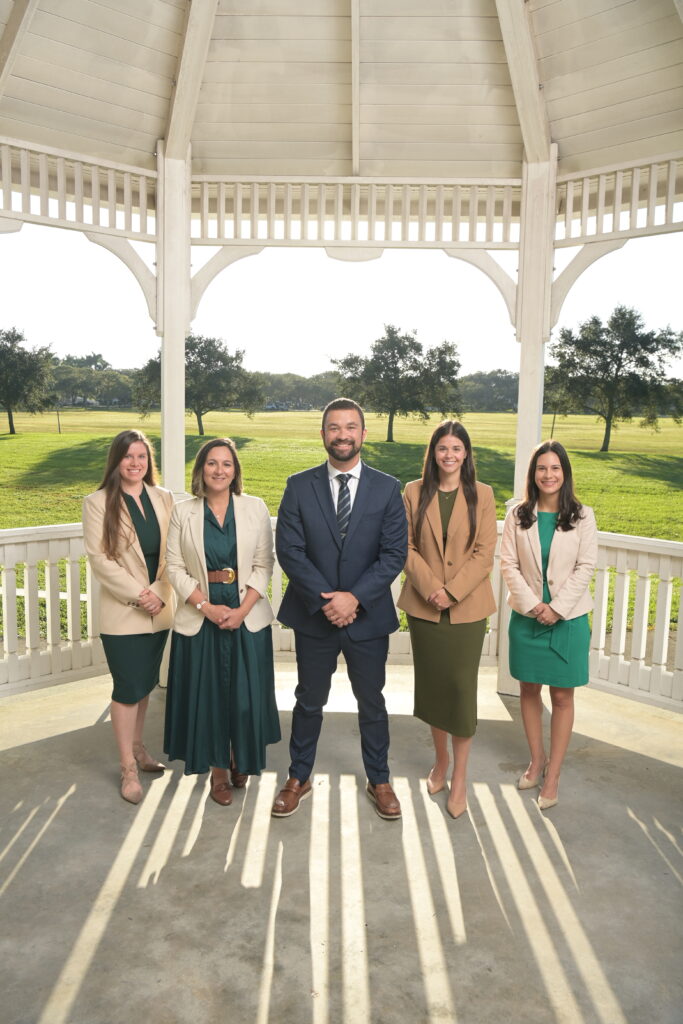
At Lulich & Attorneys, we work closely with personal representatives and families throughout the probate administration process. We understand that every estate and every family is different, so our attorneys take the time to explain what is happening, what is required, and what comes next. From the initial court filings through the final distribution and closing of the estate, our goal is to help clients move forward with clarity and confidence.
Our probate attorneys serve clients in Vero Beach and throughout Indian River County with personal, attentive guidance. When complications arise, we can help address them while keeping the administration moving forward and helping the personal representative fulfill their responsibilities.
For select clients, Lulich & Attorneys also offers probate services that may allow the administration to begin without upfront legal fees, with eligible attorney fees and costs paid from the estate. We can explain whether this arrangement is available based on the circumstances of the estate.
Frequently Asked Questions About Probate in Vero Beach
Do I need probate if my loved one had a will?
Possibly. A will does not automatically avoid probate. Assets owned individually by the decedent may still require probate administration if they do not transfer through a beneficiary designation, survivorship rights, trust, or another method.
What is the difference between formal and summary administration in Florida?
Formal administration is Florida's traditional probate process, while summary administration provides a more streamlined process for qualifying estates. Florida changed the asset-value requirement for summary administration in 2026, so a probate attorney can help determine which process applies under current law.
What does a personal representative do during probate?
A personal representative administers the probate estate. Responsibilities may include gathering and protecting assets, notifying creditors and beneficiaries, paying valid expenses and debts, maintaining estate records, and distributing property. A Vero Beach probate lawyer can help the representative understand and fulfill these duties.
What happens if someone dies without a will in Florida?
Someone who dies without a valid will is considered intestate. Probate may still be required, but Florida's intestate succession laws determine who inherits probate property based on the decedent's surviving family relationships.
What is the difference between probate and estate planning?
Estate planning generally occurs during a person's lifetime and establishes how they want certain financial, healthcare, and family matters handled. Probate occurs after death and involves administering certain assets and obligations of the estate.
What happens to a trust after someone dies?
Assets properly held in a trust generally do not become part of the probate estate. Instead, a successor trustee manages and distributes the trust property according to its terms through trust administration. A family may need to address both trust administration and probate after a death.
Talk to a Vero Beach Probate Lawyer
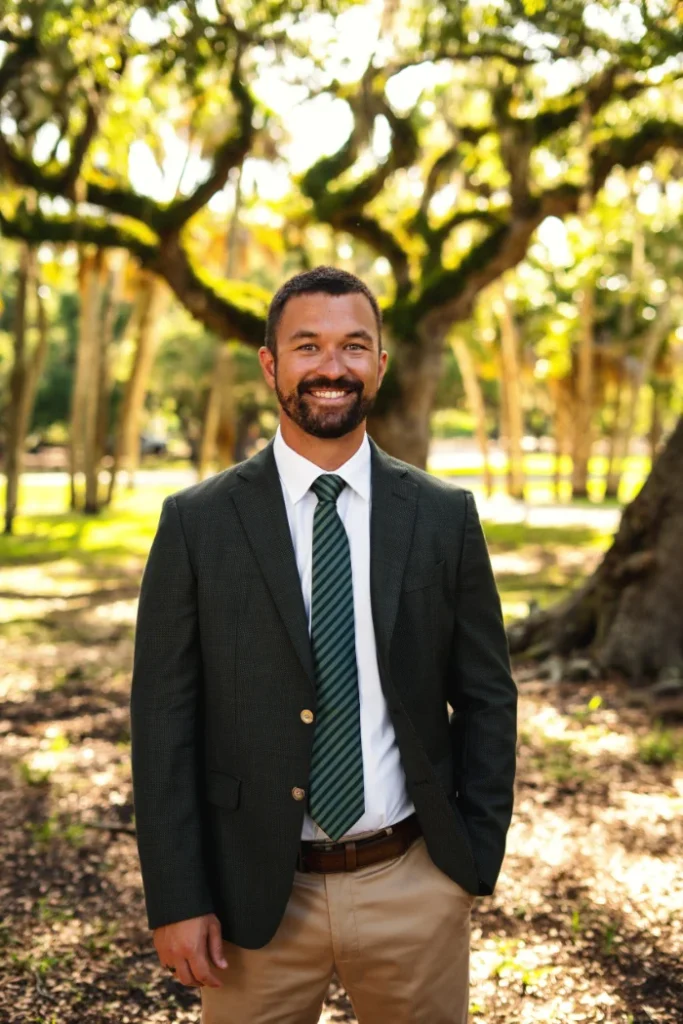
Settling the estate of someone you love can involve difficult decisions and unfamiliar responsibilities at an already challenging time. You do not have to work through the probate process without guidance. Lulich & Attorneys can help you understand what needs to happen, fulfill your responsibilities as a personal representative, and move the estate toward final distribution and closing.
Our probate attorneys provide clear, attentive guidance throughout the administration of an estate. Whether the probate is relatively straightforward or involves creditor claims, property issues, disputes, or other complications, we can help you address each stage with a better understanding of what comes next.
Lulich & Attorneys serves probate clients through offices in both Vero Beach and Sebastian. Clients closer to our firm's Sebastian office can work directly with our Sebastian probate lawyers.
Call Lulich & Attorneys at (772) 589-5500 or contact our firm to speak with a Vero Beach probate attorney about settling your loved one's estate.
Move Forward With the Right Guidance
Lulich & Attorneys can help you settle your loved one’s estate with clear answers and personal support throughout the probate process.
Schedule Your ConsultationEstate planning is a comprehensive process that involves making arrangements and decisions to manage your assets and affairs during your lifetime and after your passing. It encompasses the creation of a strategic plan to distribute your wealth, property, and possessions in a manner that aligns with your wishes and maximizes benefits for your loved ones.
Our Vero Beach attorneys have created this guide to help you understand the process of estate planning. Download your copy today!