A canal-front property and a natural lagoon-front property can look similar while carrying very different legal rights. Florida riparian rights generally arise from ownership of land bordering navigable waters. Rights involving artificially created canals and other waterbodies can require a more fact-specific analysis.
That distinction can affect how a buyer uses the waterfront after closing. A real estate lawyer can review issues involving waterfront rights, recorded documents, easements, and other property-specific concerns.
A standard title search provides important information about ownership and recorded interests. However, it may not answer every legal or factual question affecting waterfront property. The nature of the adjoining water, current shoreline boundaries, and regulatory approvals can require additional investigation.
What a Title Search Actually Reviews
A title search examines public records connected to a specific property and its ownership history. The search can identify recorded deeds, mortgages, liens, easements, judgments, and other matters that may affect title.
That examination helps a title insurer determine the requirements and exceptions included in a title commitment. It can reveal many recorded problems before closing, but its scope has limits.
Some waterfront issues depend on facts that public records alone may not establish. Shoreline boundaries, waterway characteristics, existing structures, and regulatory approvals can require additional investigation beyond the standard title search.
What a Standard Title Search May and May Not Reveal
| Issue | What a Title Search May Show | What May Require Additional Review |
| Recorded liens and mortgages | Recorded liens, mortgages, and other encumbrances affecting title | Whether an identified issue has been properly resolved or released |
| Natural vs. artificial waterway | Deeds, plats, or easements may contain relevant information | Historical and factual research may be needed to determine the waterway's status and related rights |
| Waterfront boundary | Recorded surveys and legal descriptions may provide boundary information | Current conditions may require surveying or other property-specific analysis |
| Dock or seawall approvals | Recorded documents may contain some relevant rights or restrictions | State or local permitting and authorization records may need separate review |
| Older easements and covenants | Recorded easements, declarations, and other interests may appear in the title record | MRTA's effect depends on the property's title history, preservation, use, and applicable exceptions |
| HOA waterfront assessments | Recorded declarations and liens may appear in the title record | Governing documents may require review to determine assessment obligations and authority |
What a Waterfront Property Title Search May Not Reveal
Several waterfront property issues require investigation beyond the recorded documents examined during a standard title search.
Riparian Rights on Artificial Canals
Florida courts generally presume that property owners bordering artificially created waterbodies do not have inherent riparian rights. This rule can apply even when the artificial waterbody supports navigation.
However, owners may have water-access rights through deeds, easements, subdivision plats, or other contractual arrangements. Ownership of submerged land can also affect what rights exist.
A title search identifies recorded interests affecting the upland property. It does not necessarily determine whether the adjoining waterbody is natural, artificial, or historically navigable.
That distinction can require research into the property's history and the creation of the waterway. Those facts can significantly affect the owner's rights to access and use the water.
The Ambulatory Mean High Water Line
For property bordering tidal navigable waters, the mean high water line can mark the boundary between private uplands and sovereign submerged lands. That boundary does not necessarily remain in one location forever.
Florida law recognizes that gradual accretion and erosion can change waterfront boundaries over time. Sudden changes and artificial alterations can involve different rules.
A deed's legal description therefore may not answer every question about the property's current waterfront boundary. Determining the applicable boundary can require surveying, historical records, and other property-specific evidence.
Older Easements and Florida's Marketable Record Title Act
Florida's Marketable Record Title Act can extinguish certain older property interests that predate the property's root of title. However, the law contains important exceptions and methods for preserving older interests.
For example, Florida law protects certain recorded or unrecorded easements while they remain in use. Other interests may survive because they appear in later title documents or were properly preserved.
These rules can become important in older waterfront subdivisions. Canal access, shared docks, maintenance agreements, and other longstanding arrangements may depend on decades-old documents.
A buyer should not assume an old easement remains valid simply because neighbors continue following the arrangement. The reverse is also true. Age alone does not establish that MRTA extinguishes the right.
Dock and Seawall Permits and Authorization
Existing docks, seawalls, and other waterfront structures can involve regulatory requirements beyond the property's recorded title documents. Depending on the structure and location, state or local permits and other approvals may apply.
Structures involving sovereignty submerged lands can also require authorization from the Florida Department of Environmental Protection. The required authorization varies and can include consent, leases, easements, or other approvals. Some qualifying activities receive different regulatory treatment or exemptions.
A title search alone does not necessarily establish whether an existing waterfront structure meets all applicable permitting requirements. Buyers may need to review permitting and regulatory records separately.
Why Florida Waterfront Property Carries Distinct Title Risk
Florida waterfront property involves ownership questions that inland properties generally do not present. Under Florida's public trust doctrine, the state holds title to many sovereignty submerged lands beneath navigable waters.
However, not every submerged parcel remains state-owned. Some submerged lands have passed into private ownership through valid historical conveyances, so ownership requires a property-specific review.
Waterfront properties can also involve riparian rights, changing shoreline boundaries, easements, and permits for docks or seawalls. These interests may overlap with state ownership and local or state regulatory requirements.
In Indian River County, buyers may also encounter older subdivision plats, canal systems, and longstanding access or maintenance arrangements. Understanding those rights can require reviewing more than the property's current deed and title commitment.
HOA Liens and Older Waterfront Covenants

Homeowners' association assessments for seawall repairs or canal dredging can add another layer to a waterfront purchase. A recorded HOA lien may appear during a title search, but the lien itself does not always answer every underlying legal question.
In older communities, Florida's Marketable Record Title Act may affect certain covenants and restrictions if they were not preserved or otherwise protected. However, MRTA contains important exceptions, so the age of a declaration alone does not determine whether it remains enforceable.
Questions can also arise about the association's authority to levy a particular assessment or enforce a lien. Resolving those issues may require reviewing the governing documents, preservation history, and the basis for the assessment.
A title search can identify recorded documents affecting the property. Determining what those documents legally authorize may require additional review beyond simply confirming that a lien or declaration appears in the public record.
How Attorney Review Goes Beyond the Title Search

Waterfront property title search results can be the starting point for legal review rather than the finish line. A property lawyer can evaluate what recorded documents mean and identify questions requiring additional investigation.
Depending on the property, that review may include examining plats and historical records for information about the adjacent waterway. It may also involve reviewing canal access, dock easements, or other rights affected by Florida's Marketable Record Title Act.
Existing docks, seawalls, and other waterfront improvements can require additional attention as well. Available permitting and authorization records may help determine whether the structures comply with applicable state or local requirements.
The goal is not simply to identify what appears in the public record. It is also to understand how those documents, property conditions, and regulatory requirements affect the buyer's intended use of the waterfront.
What Waterfront Buyers Should Specifically Ask About
Before closing on waterfront property, buyers benefit from asking questions that address the property's specific waterfront characteristics:
- Is the adjacent waterbody natural or artificially created, and what rights does the property have to access or use it?
- Has the property's waterfront boundary been surveyed or otherwise established, and does it raise any boundary concerns?
- Do existing docks, seawalls, or other structures have the permits or authorizations required for that property?
- What recorded or longstanding rights govern canal access, shared docks, or waterfront maintenance?
- Does Florida's Marketable Record Title Act affect any older easements, covenants, or restrictions associated with the property?
- Do HOA documents authorize assessments for seawall repairs, dredging, or other waterfront maintenance?
Some answers may appear in recorded deeds, plats, easements, or association documents. Others require reviewing permitting records, surveys, historical information, or the legal effect of those documents.
A title commitment remains an important part of the transaction. However, it does not necessarily answer every question affecting how a buyer can own, access, improve, or use waterfront property.
Waterfront Property Boundary Issues Deserve a Closer Look
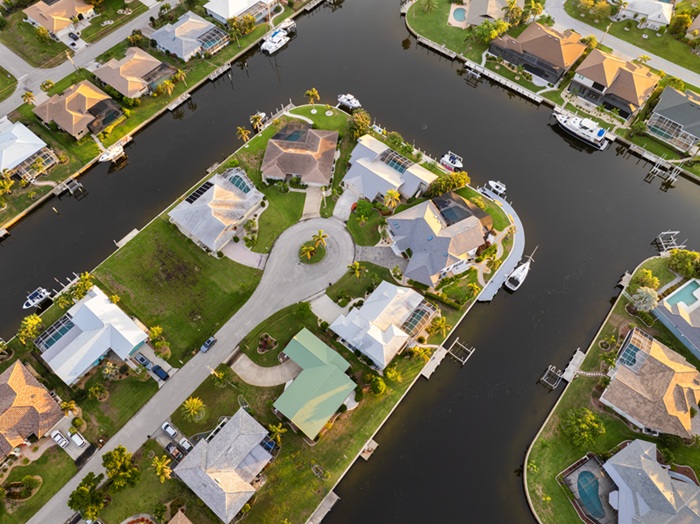
Waterfront property issues can become more complicated when several concerns affect the same parcel. A changing shoreline, questionable waterfront structure, or disputed easement may each require a different type of review.
Discovering those issues before closing gives a buyer more opportunity to investigate their effect on the property. Finding them afterward can mean addressing a problem after ownership has already transferred.
None of this means waterfront property in Florida is a poor investment. It means waterfront purchases can require additional due diligence beyond what is typical for an inland home. Canal-front, riverfront, and lagoon-front properties can involve rights and restrictions that are not fully explained by the title record alone.
Questions involving artificial waterways, older easements, shoreline boundaries, and dock or seawall approvals can require additional investigation. Some relevant information may appear in recorded documents, while other answers come from surveys, permitting records, historical materials, or legal analysis.
Buyers who understand that distinction can ask more specific questions before closing. They can also identify concerns while there is still time to address them within the transaction.
Review Waterfront Property Issues Before Closing
A waterfront purchase involves more than confirming who holds title to the land. Buyers may also need to understand their water-access rights, property boundaries, easements, and responsibilities for existing waterfront structures.
Working with a real estate attorney can help buyers evaluate those issues before finalizing a purchase along a Florida canal, river, or lagoon.
Look Beyond the Waterfront Title Search
Canal, river, and lagoon properties can involve boundaries, easements, water rights, and permitting issues beyond the title commitment. Lulich & Attorneys can help identify questions worth resolving before closing.
Contact Lulich & Attorneys Today